
 Climate & Fluids
Researchers tested seven portability frameworks on ICON climate microphysics
They benchmarked pragmas, DSLs, and data-centric tools on an ICON kernel to measure how easily each adapts optimizations across different HPC hardware.
Papers
Preprints and accepted papers worth a scan in plain-language titles with one sentence of context, and a straight link to the source. The images are a little weird, on purpose, for funsies. (Because science is supposed to be fun). The AI bot date parser is so bad at dates, so just rejoice that at least the papers it finds are really neat ones even if they are older.
1–24 of 720 / 720 papers
 Simulation
Researchers introduced ENGAGE-V for cache RAS on RISC-V
The framework implements RERI-compliant RAS features with EDAC protection for multilevel cache memories on RISC-V processors.
 AI & ML
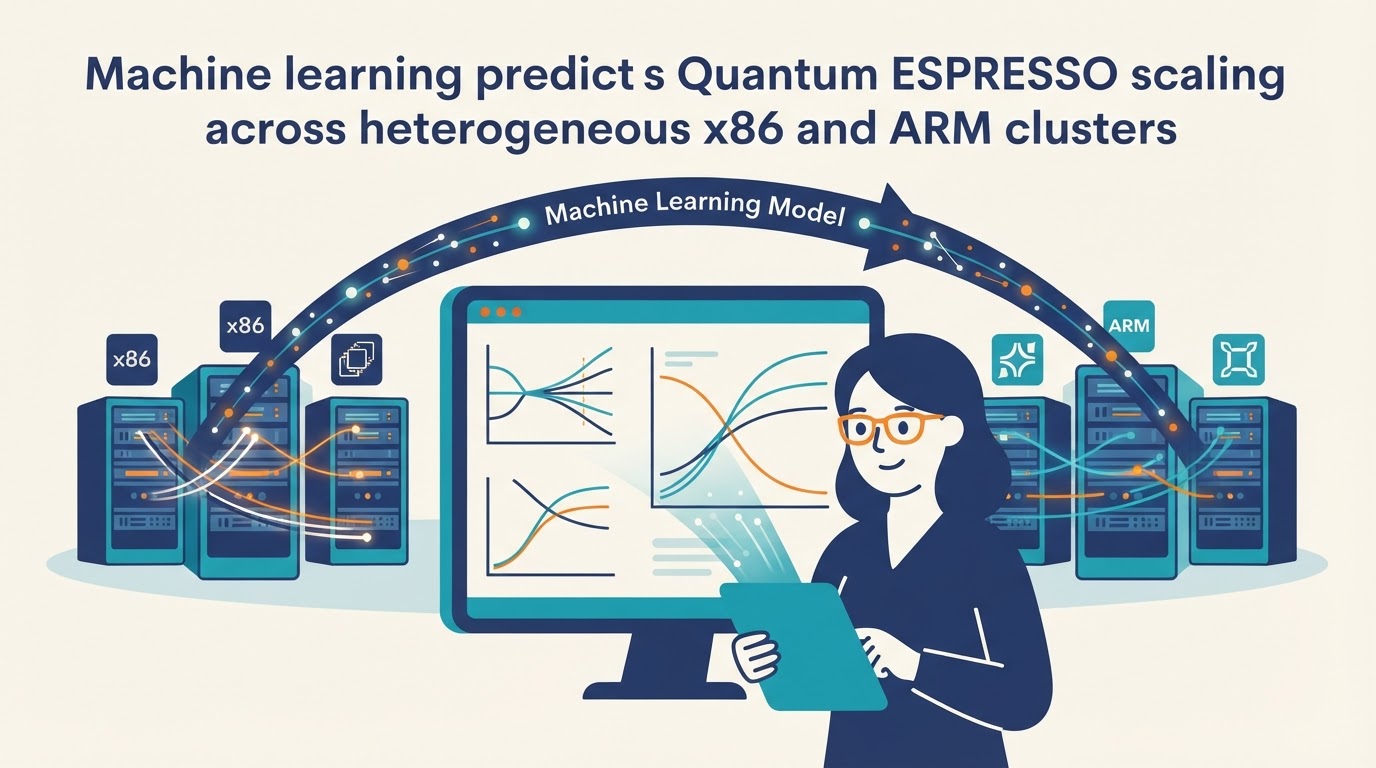
Researchers use ML to predict Quantum ESPRESSO scaling on x86 and ARM
A study presents a machine learning model that predicts Quantum ESPRESSO parallel speedup across heterogeneous x86 and ARM clusters.
 AI & ML
Researchers introduced a benchmark suite for compressed collectives in HPC
The paper introduces Tools-CC-Bench to evaluate compression-enabled collective communication in distributed HPC and AI workloads.
 Accelerators
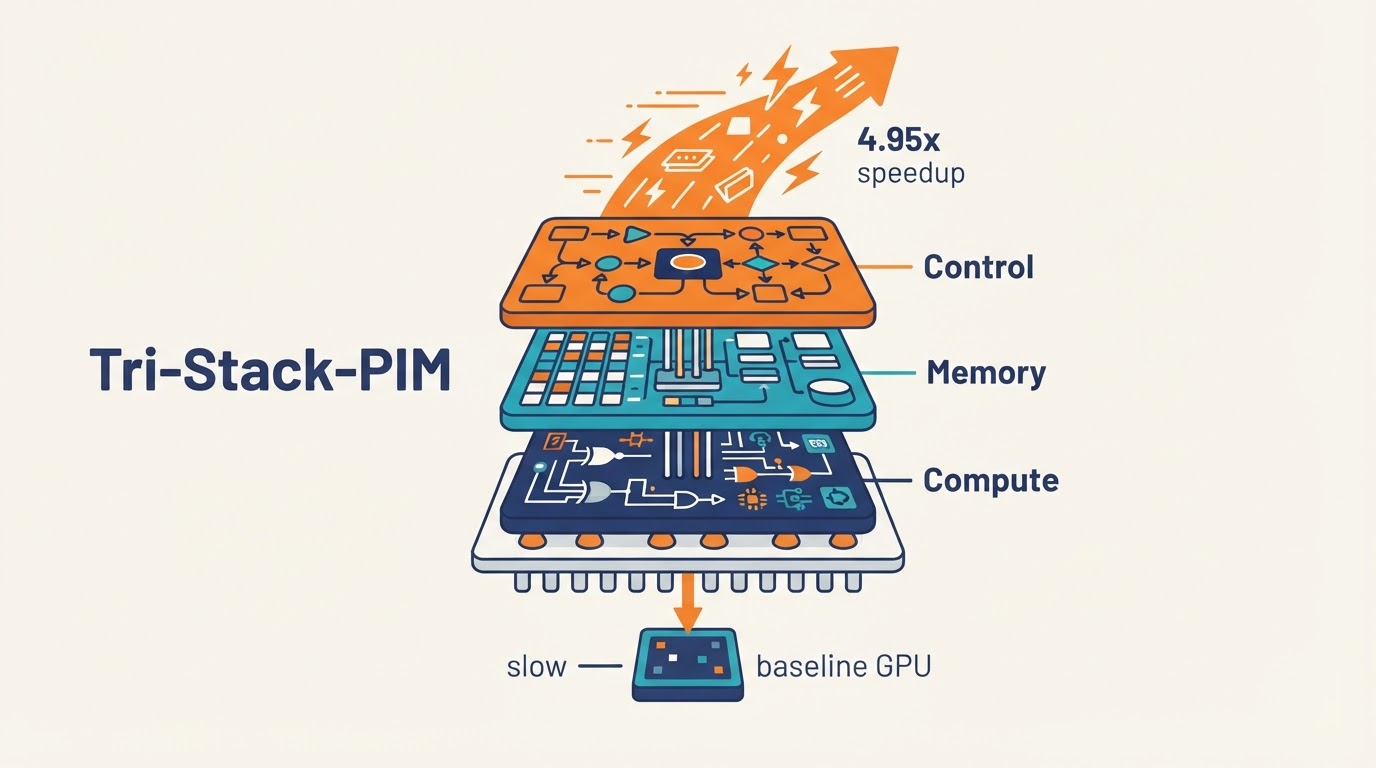
Researchers designed a 3D three-die PIM chip for LLM inference
They claim Tri-Stack-PIM delivers a 4.95x geometric-mean speedup over a baseline GPU by splitting memory, control, and compute across three stacked dies.
 Accelerators
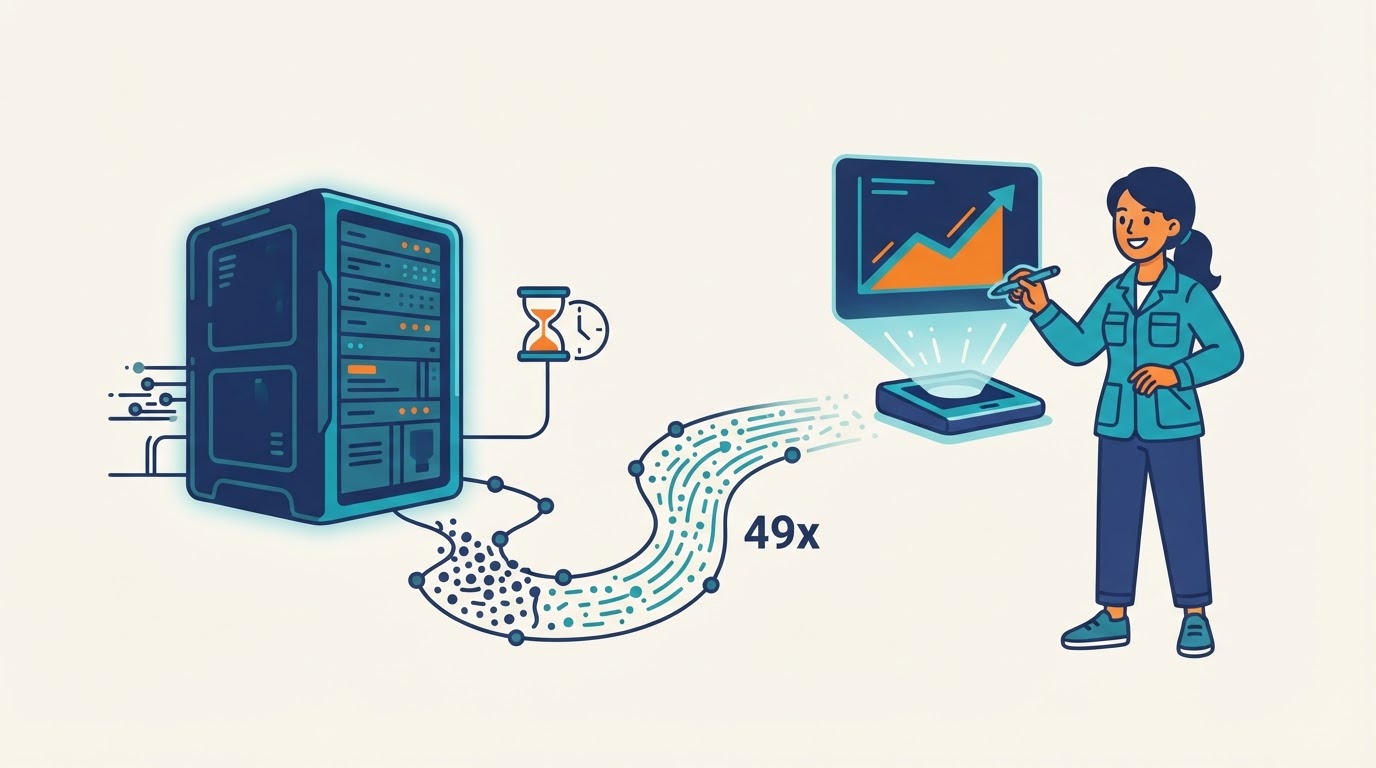
Researchers built a fast analytical GPU performance model
They say ForeSight predicts GPU kernel runtime within 8.3% error while running 49x faster than the Accel-Sim cycle-level simulator.
 Accelerators
Researchers reverse-engineered Nvidia GPU memory systems to improve simulators
Researchers say their GemAtlas tool uncovered undocumented Nvidia cache details, cutting simulation error from 34.04% to 23.98% on LLM workloads.
 Accelerators
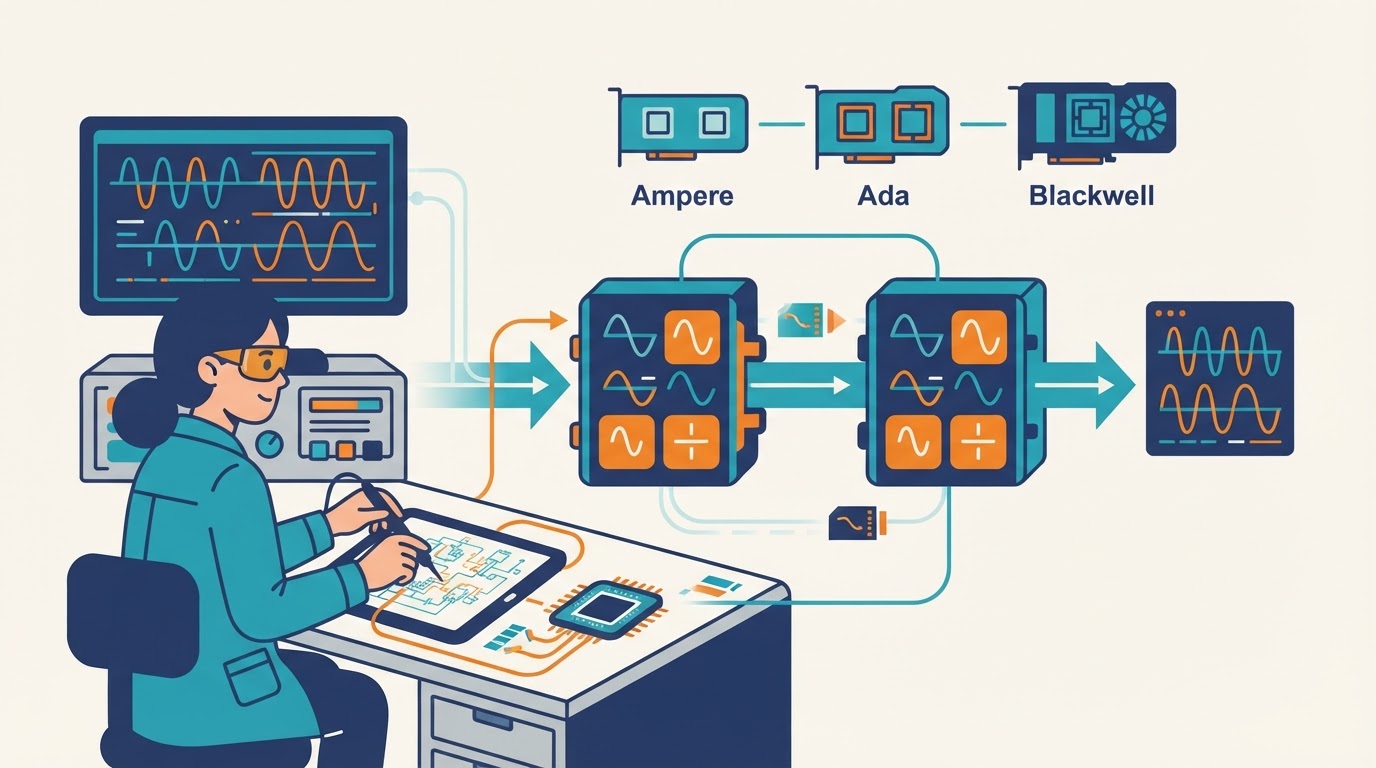
Researchers reverse-engineered NVIDIA GPU special function units
SFU-Sim replicates NVIDIA MUFU math operations bit-for-bit across Ampere, Ada, and Blackwell architectures without lookup tables.
 Accelerators
Researchers designed a conflict-free FPGA engine for sparse CNNs
They claim the design eliminates memory read-modify-writes to run sparse CNNs up to 1.26x faster than conventional scatter accumulators.
 Accelerators
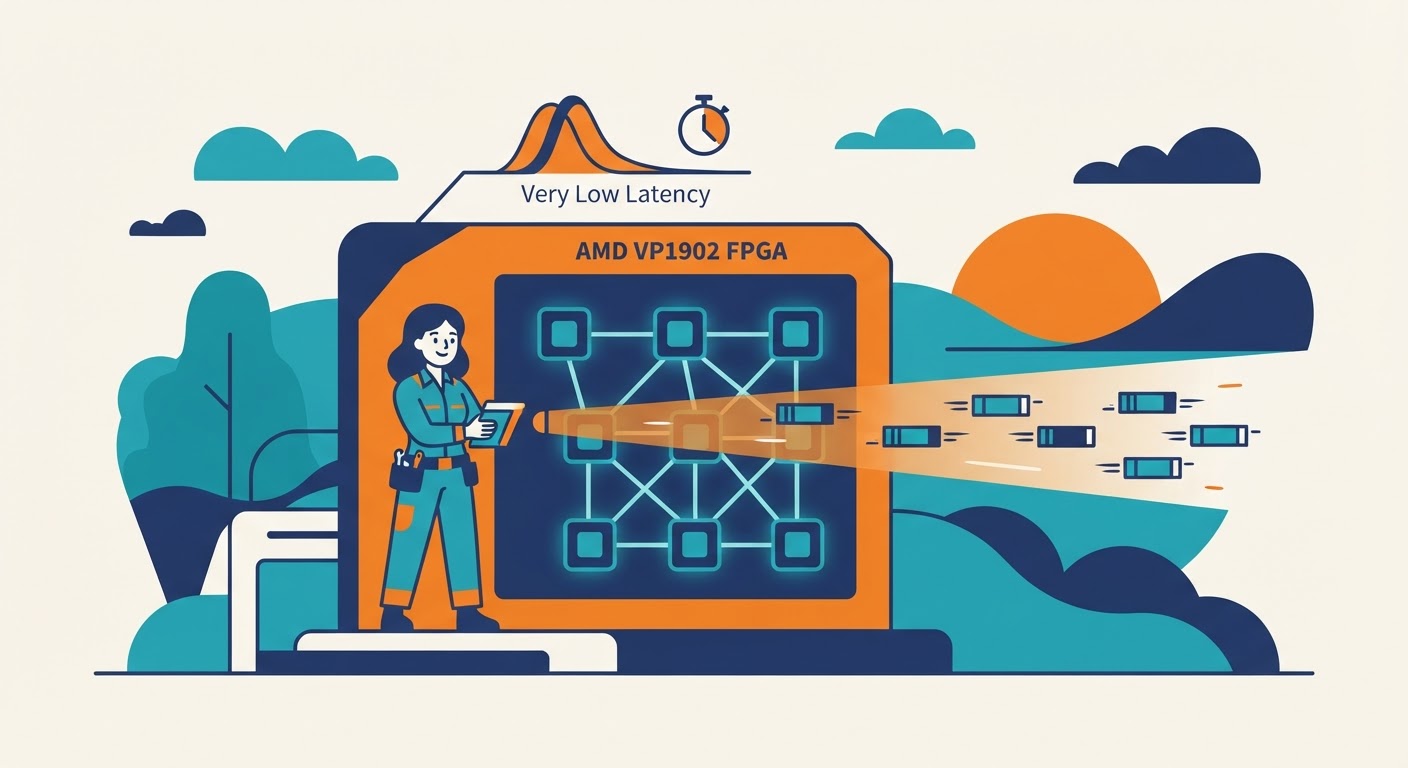
Researchers built a real-time quantum decoder on an AMD FPGA
Running on an AMD VP1902 FPGA, their PRISM transformer decoder achieved a latency of 6.59 microseconds on distance-8 logical blocks.
 Accelerators
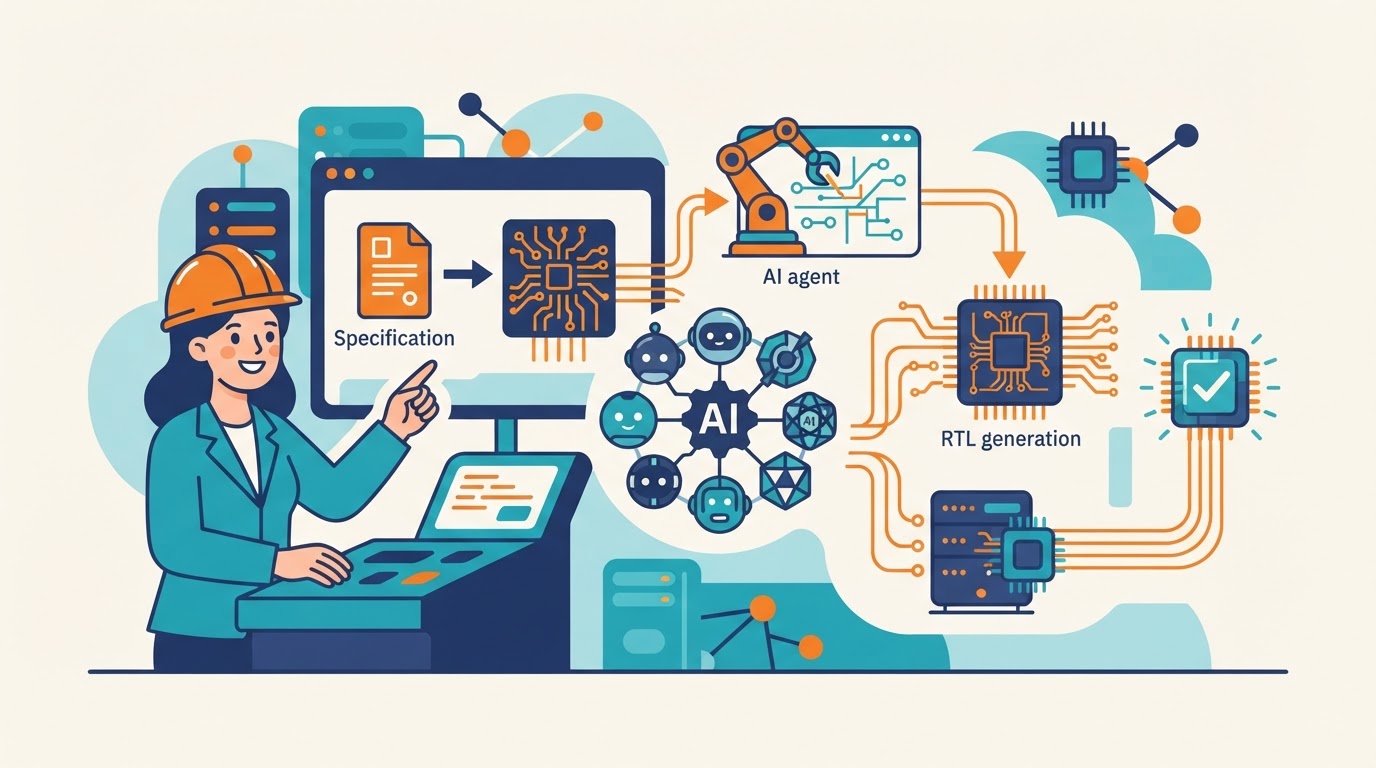
Researchers surveyed AI agents for formal hardware verification
Researchers review how AI agents and formal verification can automate specification, debugging, and RTL generation for chip design.
 Accelerators
Researchers built StepSplit to track per-request GPU energy in LLM batches
They claim StepSplit calculates per-request Shapley energy values with under 6.4% error instead of running exponential GPU passes.
 Accelerators
Researchers built an AI agent framework to optimize chip RTL
They claim their Dr. RTL framework improved timing by up to 21% and reduced area by 6% across 20 designs compared to commercial synthesis.
 AI & ML
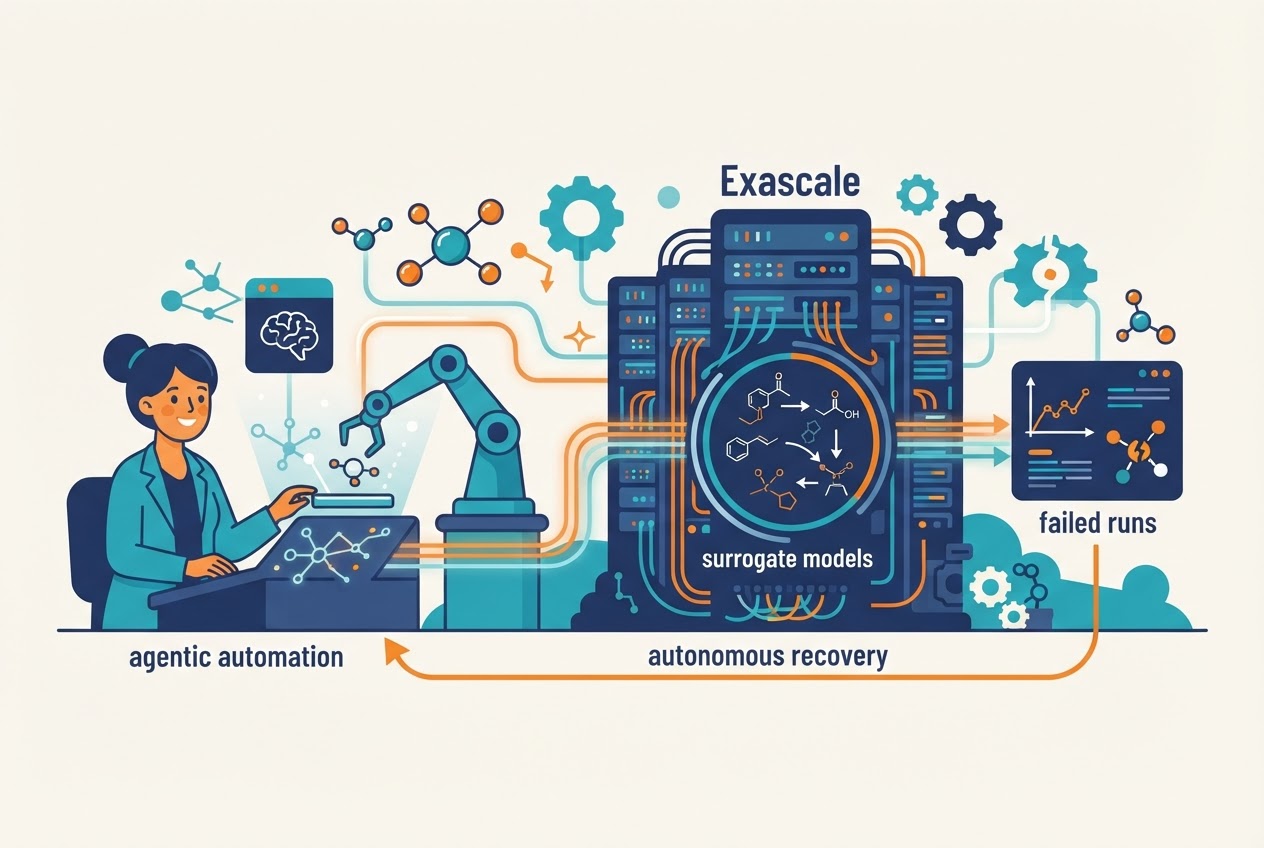
Researchers built an AI workflow for exascale chemical discovery
The framework links agentic automation with HPC simulations and surrogate models to autonomously handle microkinetics discovery and recover from failed runs.
 Accelerators
Researchers designed hetGPU for cross-vendor GPU pooling and live migration
They claim the runtime enables live migration across Nvidia, AMD, Intel, and Tenstorrent chips with under 10% overhead on compute kernels.
 AI & ML
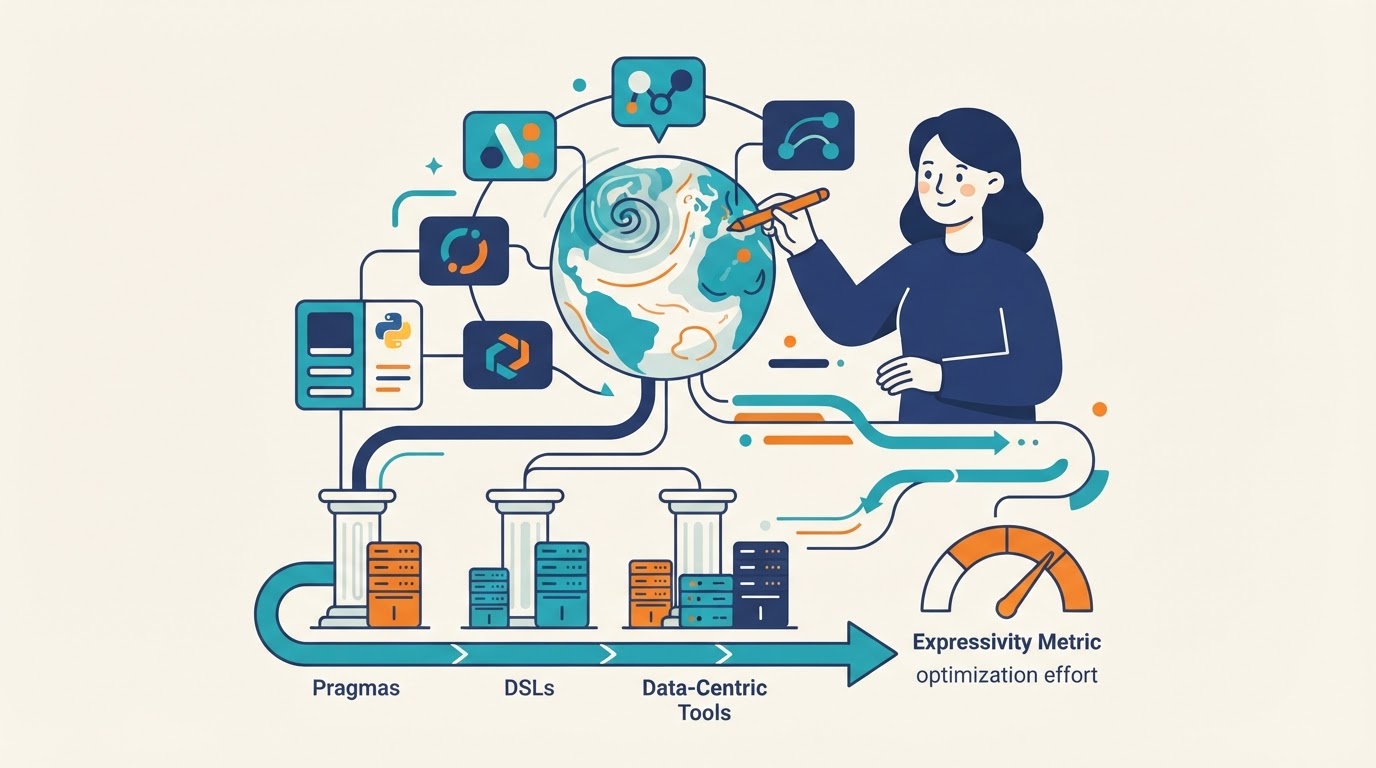
Researchers tested seven portability frameworks on the ICON climate model
They benchmarked pragmas, DSLs, and data-centric tools across HPC hardware and introduced an expressivity metric to measure portable optimization effort.
 Quantum
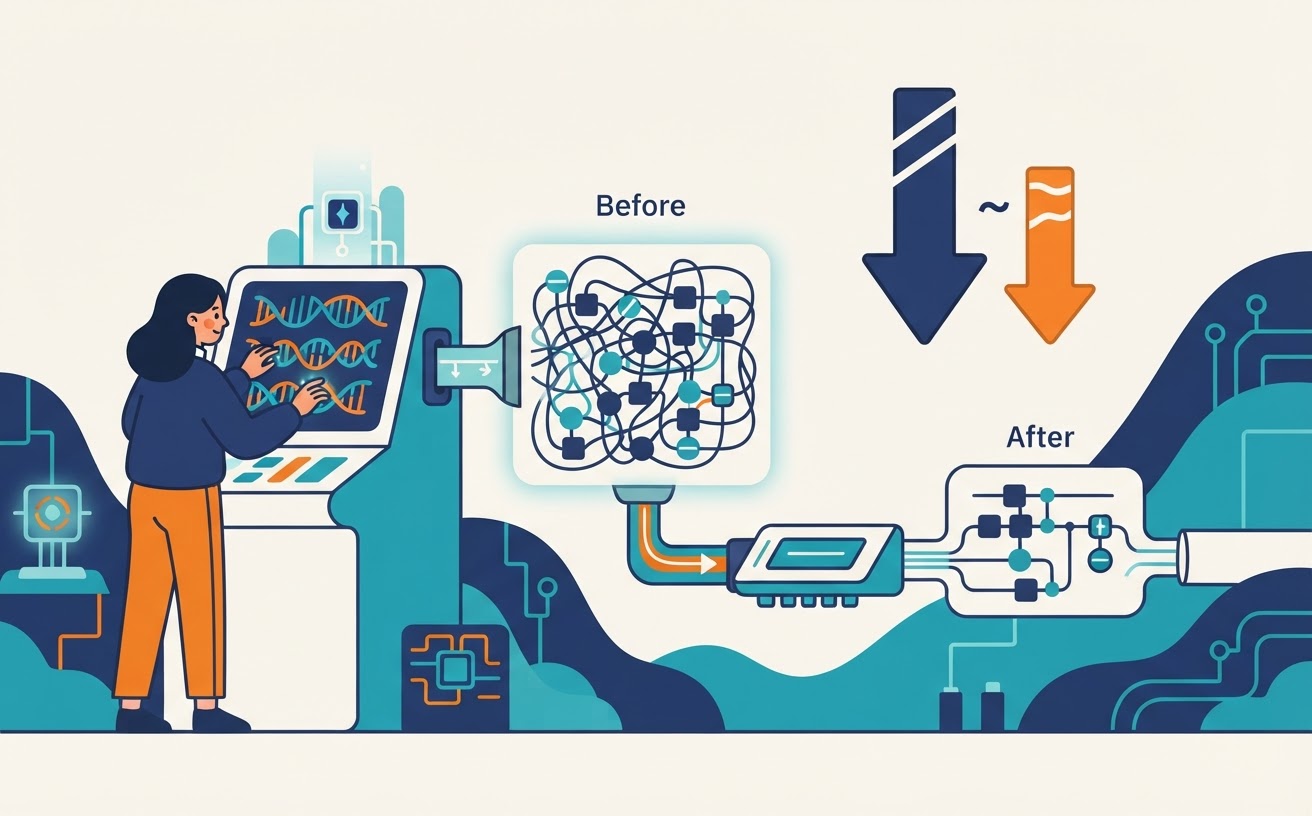
Researchers proposed SSR to cut quantum circuit depth
They claim the optimizer reduces quantum circuit depth by up to 29% across benchmark circuits using genetic algorithms and SAT solvers.
 Accelerators
AMD study shows why emulating FP64 on tensor cores falls short for HPC
They claim dense GEMM accounts for under 10% of HPC workloads, making Ozaki emulation unfit to replace native double-precision hardware.
 Simulation
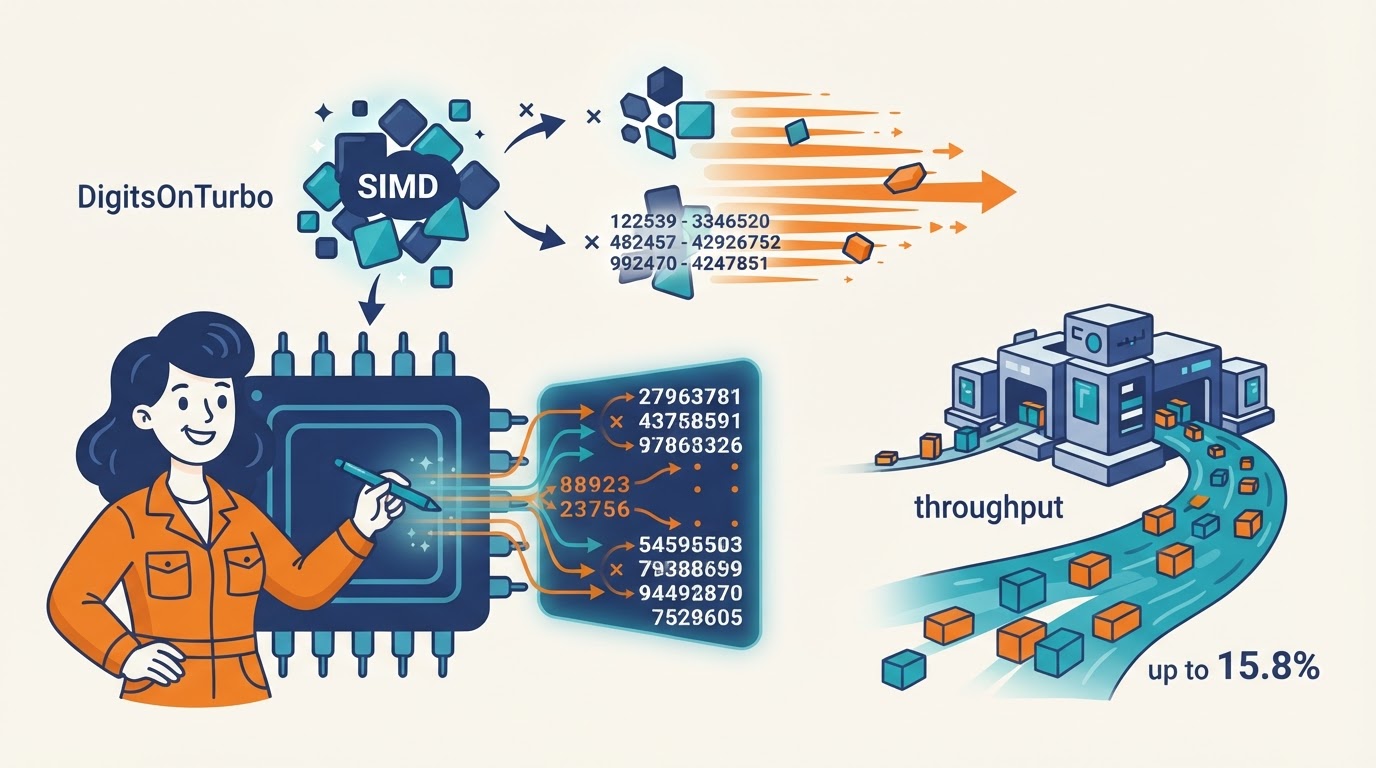
Researchers sped up large-number arithmetic using SIMD
They claim DigitsOnTurbo speeds up large-number multiplication by 2.3x and boosts scientific computing throughput by up to 15.8%.
 Accelerators
LinAC compiles linear attention into parallel GPU reductions
The authors say their compiler canonicalizes recurrences into associative form, speeding up H100 linear attention modules by 2.06x.
 Simulation
Researchers built NanoCP to balance MoE decoding across GPUs
They claim NanoCP delivers up to 3.27x the request throughput of vLLM on DeepSeek-V3 while cutting tail latency in half.
 AI & ML
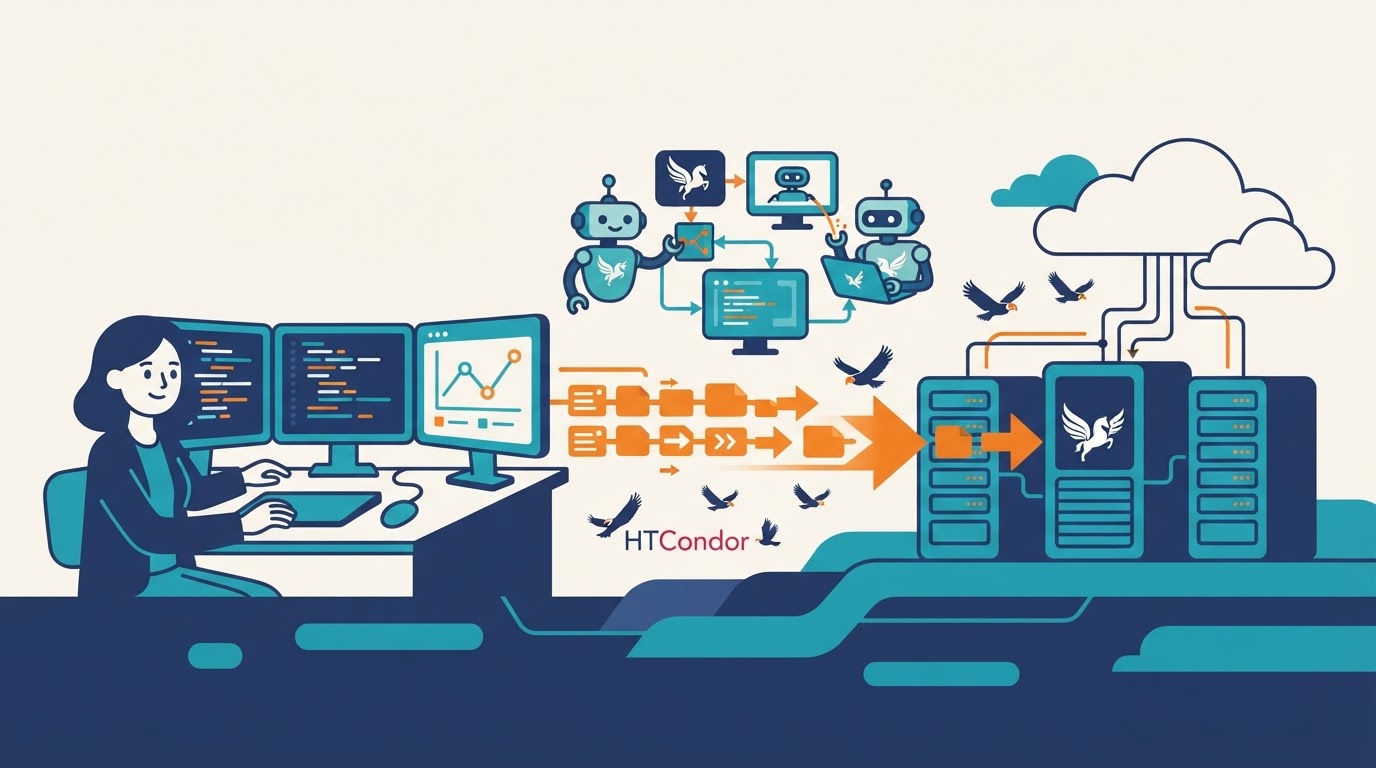
Researchers built PegasusAI Studio to run AI coding agents on HPC workflows
The system uses Pegasus and HTCondor to let AI coding agents create, monitor, and debug scientific workflows across HPC and cloud systems.
 Accelerators
Study finds Ozaki FP64 emulation helps less than 10% of HPC codes
Researchers found that Ozaki-based FP64 emulation on tensor cores only benefits dense GEMMs, which make up under 10% of the HPC ecosystem.
 AI & ML
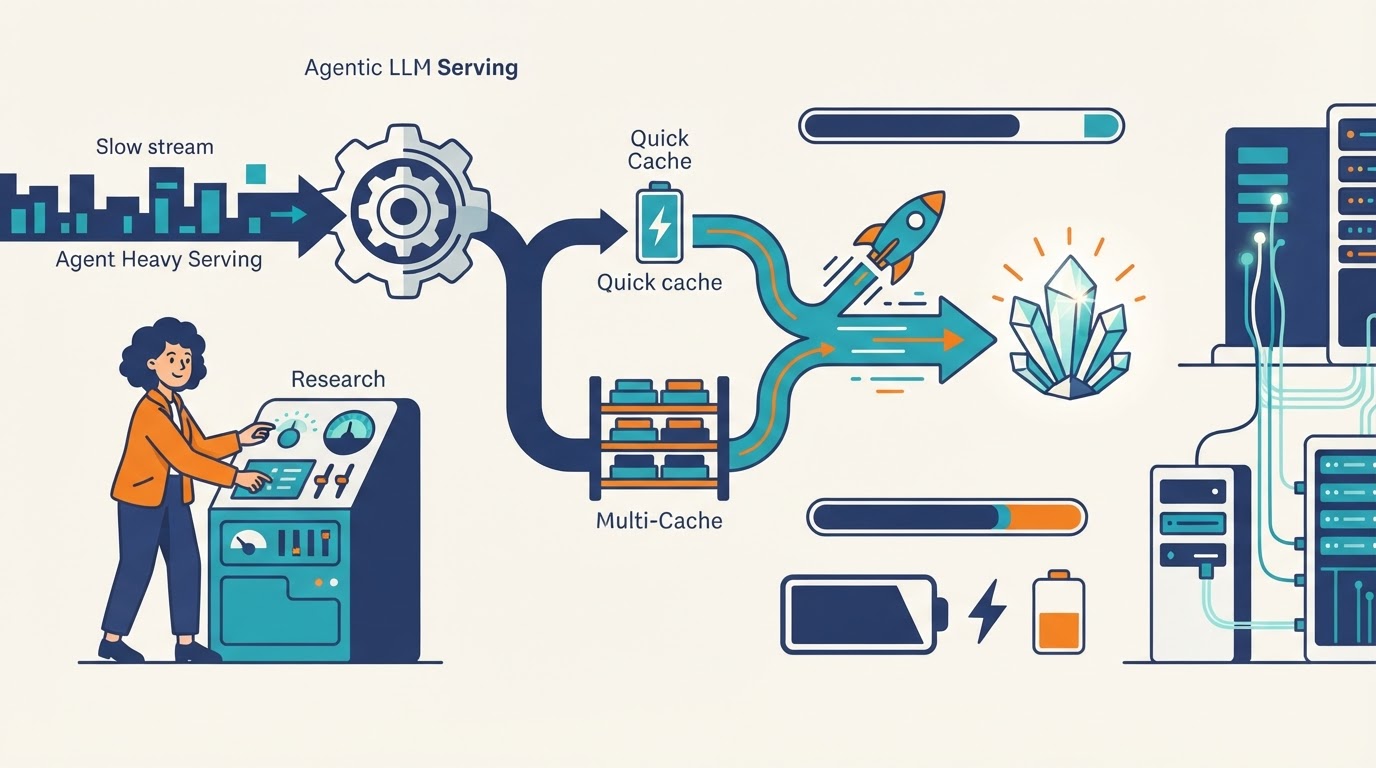
Researchers proposed TwinHash to speed up agentic LLM serving
They claim the multi-tier caching system cuts time-to-first-token by up to 5.6x on Qwen3-32B and reduces task energy by up to 81%.